حالة النظام جميع العمليات تعملسفن في البحر · اعتبارًا من مايو 2026 62
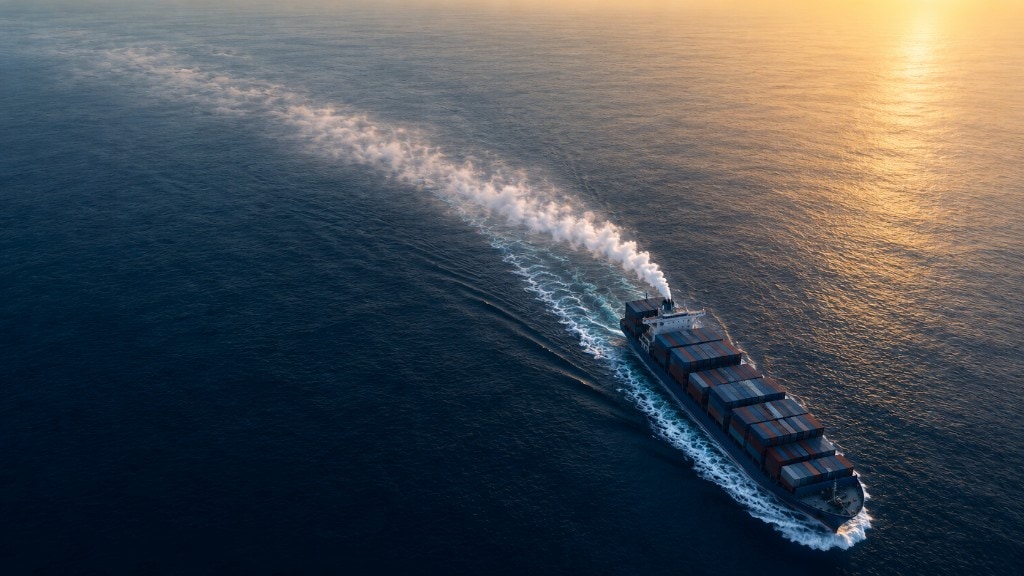
Aerial view of a laden container ship at sea at sunrise or sunset, with a long white exhaust plume trailing from its funnel and golden light on the waves.

−18% scopes 1+2 intensity · realigned for net zero pathways

Decarbonisation roadmap covers strategic partnerships such as Oman’s inaugural carbon‑mineralisation collaboration (44.01), renewables pilots such as rotor‑sail propelled tonnage branded Sohar Max, green hydrogen corridors via Salalah Free Zone JV SalalaH2, fleet renewal, and port electrification — each subject to procurement and JV governance.

Published intensity headline

−18%

Scopes 1+2 carbon intensity versus a 2020 baseline — surfaced on the public home KPI band; replace copy if FY disclosure updates supersede.

Interactive emissions roadmap

Illustrative index series only (2020 baseline = 100). Curves show directional shape, not audited tonne CO₂e values.

Indicative emissions pathway · 2020 → 2050 (indexed curves)

Illustrative index series only (2020 baseline = 100). Curves show directional shape, not audited tonne CO₂e values. Toggle scopes to compare illustrative shapes only — not tonne CO₂e values.

Illustrative trajectories for scopes 1, 2, and 3 from 2020 to 2050 (index); exact values are in the screen-reader data table below the chart.2020202520302035204020452050100 index0
Emissions roadmap data (index)
YearScope 1Scope 2Scope 3
2020100100100
2025888295
2030685887
2035484176
2040322863
2045181648
205010938

SBTi targets table

Science Based Targets style commitment table
HorizonTargetBaseline / boundaryStatus
Near‑term horizonEnterprise boundary to be confirmed against Science Based Targets protocolPending publication
Long‑term horizonMaritime and logistics scopes subject to assurancePending publication
Net‑zero aspirationResidual neutralisation wording follows sanctioned climate communicationsPending publication

Decarbonisation initiatives

Programme descriptions summarise public releases; JV economics, KPI baselines and assurance statements arrive with sanctioned investor packages.

We are also vigilantly monitoring our carbon footprint and employing sustainability metrics that allow us to quantify our results. Asyad is committed to the sustainable outlook outlined in Oman Vision 2040 and is doubling down on its decarbonization strategy, planning to reduce around 20% of SOHAR Port's GHG in the next 5 years.

Essam Nasser Al SheibaniVice President — SustainabilityVerbatim excerpt captured in SUBPAGE_AUDIT.md (May 2026) referencing Group climate communications.

Carbon mineralisation with 44.01

Carbon capture and mineralisation JV described in Davos pavilion communications covering strategic decarbonisation of Group assets — timelines, injection geology, permanence disclosures to be supplied under JV reporting.

SOHAR MAX · wind-assisted propulsion

World’s largest wind‑power propelled oil tanker by gross tonnage, featuring Norsepower rotor sails deployed on VLCC‑class tonnage to materially lower voyage emissions — quantify savings through verified voyage data when published.

Green hydrogen JV via Salalah Free Zone · SalalaH2

Joint venture structuring green hydrogen corridors out of Oman’s southwestern gateway port and free zone; commercial scale, offtakers, electrolyser capacity declarations remain subject to sanctioned board releases.

Fleet renewal & voyage optimisation

Asyad Shipping renews LNG, tanker, bulk, car carrier segments with modern hulls plus slow steaming/digital routing where charter parties allow.

Port electrification & shore‑side readiness

Reefer yards, gantries and truck gate fleets targeted for progressive electrification and shore power uptake as grid greening programmes mature.

Independent assurance statements on climate metrics will be excerpted here once approved for web publication.

PDF

GHG inventory & modelling methodology

Download